
Smyth County's Owner-of-Record Card
Smyth County's Commissioner of the Revenue publishes a public VGSI card with current and historic ownership, assessment, and building information. The county states the card refreshes nightly. It publishes no fixed list of card fields, so treat the rows that follow as a checklist of what to verify on the record you select rather than a guaranteed label set.
| Owner information | Current and historic ownership are advertised by the county; confirm the name against the latest deed. |
|---|---|
| Mailing address | The correspondence address associated with the assessment record, if shown. |
| Situs address | The property's physical location, which can differ from the mailing line. |
| Tax-map number | The Commissioner-assigned key for matching the card and GIS parcel. |
| Assessment and building data | Categories the county says are part of the public card. |
| Deed reference | Use the Clerk's recorded instrument for the transfer evidence. |
The owner of record is whoever the county tax system names. It is not necessarily who lives in the building. A landlord, company, or estate can hold title while someone else occupies the place. The mailing address often differs from the situs address. That is because correspondence and the land serve different purposes. Treat the mailing line as record correspondence only. It is not proof of residence. And it is never a reason to contact someone outside a property matter. Smyth County records draw that line clearly, and a careful reader should too.
The Smyth County Card Updates Nightly
The Commissioner says VGSI refreshes nightly. The service carries current and historic ownership, assessment, and building data. That statement describes the service, not a closing-to-card timeline. A deed can be recorded before the assessment card shows the new owner. So never call a name current just because one screen lists it. Note the date you viewed the card and compare it with the deed's recording date. The Commissioner works with the Clerk and Treasurer to keep transfers timely. No exact lag is promised, though. If the deed and card disagree, match the parcel description. Then ask the custodian whether a roll update is pending. The county's real-estate information page explains the public portal and its stated update cycle.
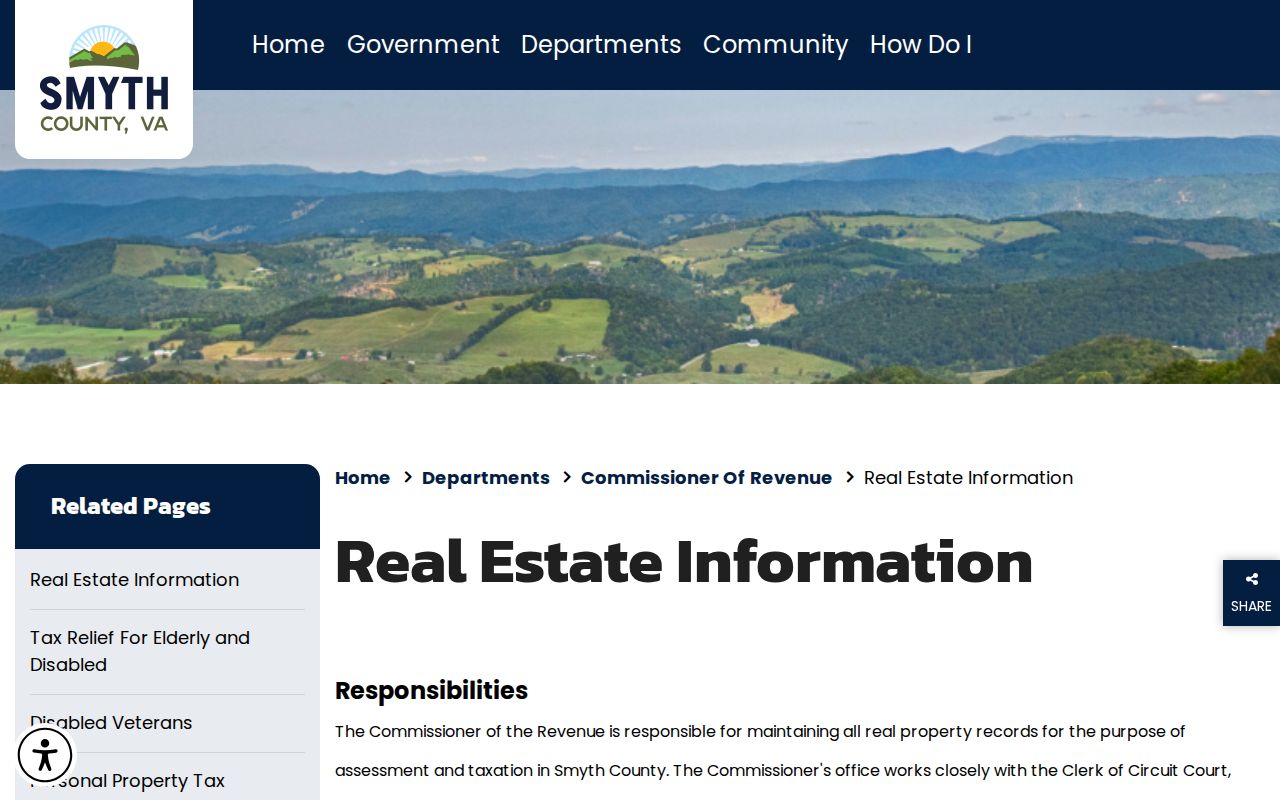
The card service describes ownership as the county tracks it; the recorded deed confirms the specific transfer.
The Latest Smyth Deed Confirms the Transfer
When the current owner matters, the newest recorded deed is the verification step. Search the Smyth County Circuit Court Clerk's land records by party name. You can also search by address, date, or book and page. Compare grantor and grantee, recording date, and parcel description against the assessment card. Entity names deserve an exact match too. A matching street line alone may not settle a split tract or an older parcel. The Clerk can retrieve an individual document from basic criteria. However, staff do not run title searches. A recorded instrument shows what was filed in the public record. A professional title review answers broader questions about claims and ownership. For finding the document, see the Smyth County deed records instructions.
Current Smyth Owner Listed as an Entity
An LLC or corporation in the owner field changes the lookup. Run that exact name through the Virginia SCC Clerk's Information System. The state record can show the registered agent, principal-office address, and filing history. That detail explains the legal party named in the deed. Remember that a registered agent is not automatically the property owner as an individual. The deed remains the source for the land transfer itself. Trusts and estates may need other records. The Smyth County Clerk vault holds probate and estate papers. A fiduciary deed or court order can connect an estate to a conveyance. Compare the exact entity name across records. Compare the parcel description too, and do not trust a card's abbreviated owner label. Search the Virginia SCC entity portal for the company named on the deed.
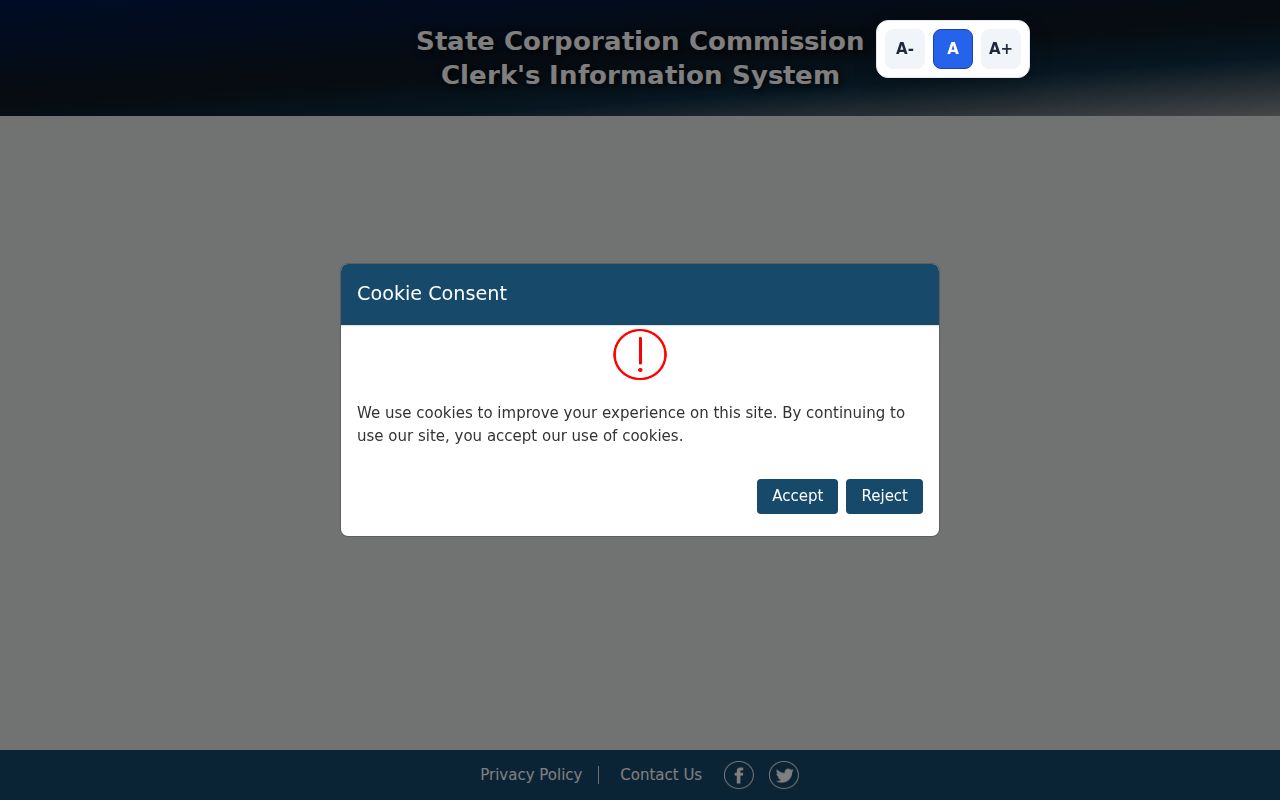
A state filing adds context about the named company. It does not change the ownership evidence in the recorded instrument.
Confirm the Current Owner in Smyth
A current owner check in Smyth County comes down to two documents. One is the assessment card. The other is the newest recorded deed. The county says VGSI updates nightly. It publishes no fixed lag between recording and roll update, though. A recent deed can easily outrun the card. Match both dates and descriptions before deciding they describe the same parcel.
- Open the current card in VGSI and record its owner, tax-map number, situs, and access date.
- Search the Circuit Court Clerk's land records for the latest deed by party, address, date, or citation.
- Compare the instrument's grantor, grantee, legal description, and recording date with the card.
- If an entity is named, confirm its legal identity through the Virginia SCC and keep the deed as the land record.
- Owner of record
- The party named in the assessment roll as the current owner.
- Recording lag
- The interval between an instrument appearing in one office and a later roll update; Smyth publishes no fixed duration.
- Situs
- The physical property address, distinct from a mailing address.
- Registered agent
- The entity contact identified in a Virginia SCC filing.
Mailing and Situs in Smyth Owner Records
A Smyth County owner card pairs two addresses that are easy to confuse. The situs address is where the land sits. The mailing line is where correspondence goes. They often differ for absentee owners, companies, trusts, and estates. A postal town may appear on the mailing line. That says nothing about the parcel itself. The land could sit inside Marion, Saltville, or Chilhowie. Check the situs address to confirm the card. The tax-map number works for this too. Together they prove the card belongs to the land in question. Treat the mailing line only as the address attached to the record. It is not proof of occupancy. It should never be used to infer private details about a person.
Town Parcels Still Use Smyth County Owners
Marion, Saltville, and Chilhowie keep their recorded ownership inside Smyth County systems. The deeds, tax-map numbers, and assessments for these towns all live in county records. Each town may still bill separately. Municipal tax and zoning files can sit apart from the county's parcel data. That split is why one parcel can show up on a county VGSI card. The same parcel can appear on a town bill under different account identifiers.
Marion's municipal tax inquiry works by name, account, department, bill, or parcel. That route answers the town's charge only. It does not replace the county card or the current deed. Settle the town question first. Then let the Clerk supply the recorded ownership of record for the parcel.
When Smyth Records Do Not Match
A mismatch is rarely a mystery. It can reflect a recent deed, a card refresh, an entity's full legal name, a different parcel, or an older legal description. Start by comparing the tax-map number against the property description. Then check the recording date and the parties named on the deed. If the question still stands, ask the Commissioner about the card and the Clerk about the recorded instrument.
The online land-record search is not the only fallback. Smyth's courthouse vault stays open for public search during office hours, and you can request individual copies by address, party, date, or citation. Keep the two questions separate. One concerns the tax roll. The other concerns the paper the Clerk actually recorded.
Privacy Around a Smyth County Owner
Virginia public-record rules open nonconfidential assessment information to the public while preserving statutory exceptions. The Address Confidentiality Program gives eligible participants a substitute address. If a public record raises a protected-address concern, ask the custodian or the program. That is how it should be handled. Never try to reconstruct a protected location from other records.
A current owner lookup serves a parcel and a lawful property purpose. It does not reveal residents, routines, or private relationships. Treat the owner name and mailing address as facts in a tax record. Use them only for the specific question that led to your property search. Then leave the rest alone.
Reading a Smyth Owner Contact Line
A mailing address on a property card shows where correspondence goes. It does not show who lives at the parcel. That distinction matters. If contact is necessary for a sale, access, or boundary matter, rely on a lawful and specific property purpose. Virginia's Address Confidentiality Program can supply substitute addresses for eligible participants. Any protected-address concern belongs with the custodian. It does not belong with attempts to reverse that protection through the deed records.
Lawful use. Keep Smyth County ownership information tied to a property question. Do not use a public name or mailing line to stalk, threaten, expose, or harass anyone.